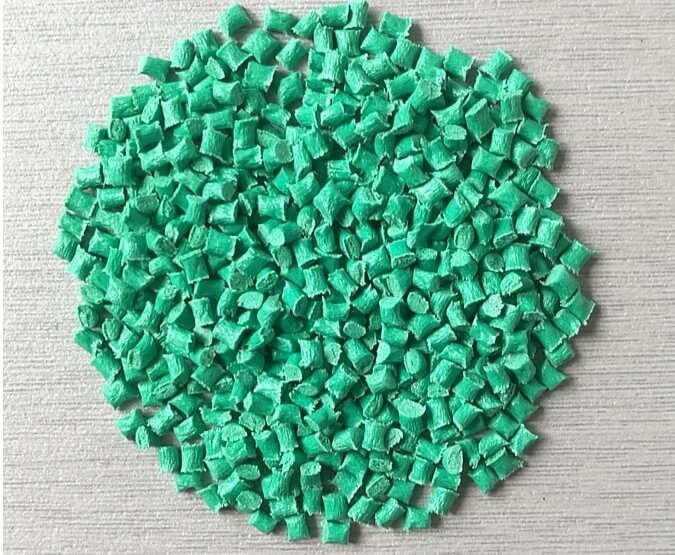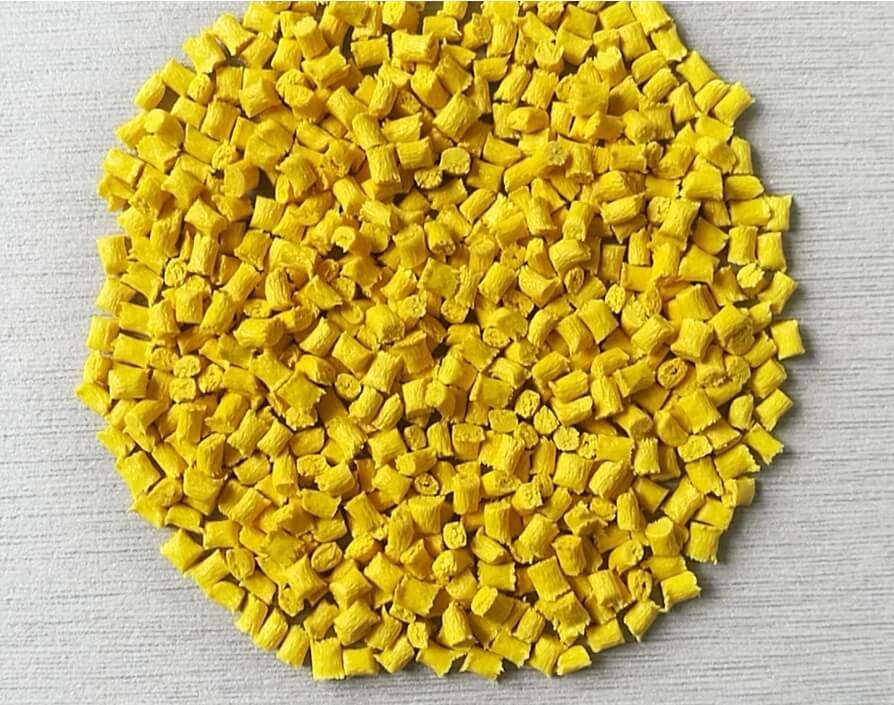




Introduction to PA66 Material
Polyamide 66 (PA66), also known as nylon 66, stands as one of the most versatile and widely used engineering plastics in modern industry. As a semi-crystalline polymer, PA66 offers an exceptional balance of mechanical strength, thermal stability, and chemical resistance, making it indispensable across numerous sectors. Since its development in the 1930s by German chemist Hermann Schmitz, PA66 has evolved through continuous innovation to meet the demanding requirements of advanced applications.
The material’s molecular structure, formed through the polycondensation of adipic acid and hexamethylenediamine, provides inherent advantages including high tensile strength, excellent wear resistance, and good fatigue endurance. With a melting point of 252-263°C and the ability to maintain performance across a temperature range from -30°C to 120°C, PA66 outperforms many other thermoplastics in harsh environments. Its unique combination of properties has secured PA66’s position as the highest-volume product among the five major engineering plastics, serving as the material of choice for engineers and designers worldwide.
This article explores the extensive applications of PA66 across mechanical, automotive, electrical/electronic, medical, and consumer industries, highlighting how this remarkable material continues to enable technological advancements and product innovations.
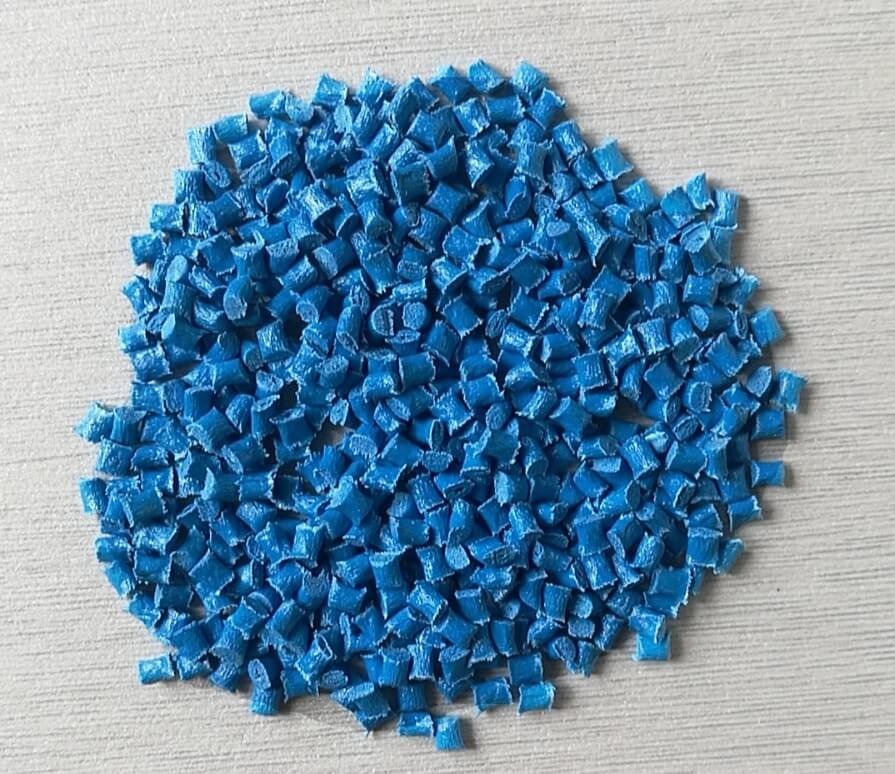
Mechanical and Industrial Applications
PA66 has established itself as a cornerstone material in mechanical and industrial applications due to its outstanding wear resistance, high strength-to-weight ratio, and excellent fatigue endurance. In power transmission systems, PA66 is extensively used for manufacturing gears, bearings, bushings, and rollers, where its inherent self-lubricating properties significantly reduce friction and energy loss. The material’s low coefficient of friction (0.25 against steel, reduced to 0.12 under oil lubrication) combined with high abrasion resistance makes it ideal for moving parts that require long service life with minimal maintenance.
Industrial gear systems particularly benefit from PA66’s properties, with glass-fiber reinforced grades (containing 30-50% GF) providing the necessary rigidity and dimensional stability for precision gear trains. These reinforced composites exhibit heat deflection temperatures exceeding 250°C, allowing them to maintain performance under substantial mechanical loads and elevated temperatures. Similarly, PA66 finds widespread use in manufacturing pump components such as impellers, valve seats, and high-pressure sealing gaskets, where its resistance to chemicals and hydraulic fluids ensures reliable operation in demanding fluid handling systems.
The material’s versatility extends to various mechanical support components including spring brackets, support frames, rollers, and conveyor system parts. In these applications, PA66’s combination of toughness and stiffness—often enhanced through fiber reinforcement—provides durability while reducing weight compared to metal alternatives. For sealing applications, PA66’s resistance to oils, greases, and many inorganic chemicals makes it suitable for gaskets, O-rings, and other sealing elements in hydraulic and pneumatic systems. The material maintains seal integrity even under continuous pressure and temperature fluctuations, outperforming many elastomers in mechanical sealing applications.
Automotive Industry Applications
The automotive sector represents one of the largest and most significant markets for PA66, where its unique combination of properties addresses multiple engineering challenges in vehicle design and manufacturing. From under-hood components to interior trim parts, PA66 contributes to vehicle performance, safety, and efficiency. In engine compartments, PA66 withstands the high temperatures and aggressive chemical environments while reducing component weight—a critical factor in improving fuel efficiency and meeting emissions regulations.
Thermal management systems extensively utilize PA66 for components such as radiator tanks, heater housings, cooling fan blades, and intercooler end caps. These applications leverage the material’s heat resistance (with continuous service temperatures up to 120°C) and ability to maintain mechanical properties when exposed to engine fluids. Glass-reinforced PA66 grades, particularly those with 30-35% fiber content, have become standard for intake manifolds and air intake systems, replacing aluminum in many modern engines due to their excellent heat resistance (withstanding 140°C for over 2000 hours) and reduced weight.
Electrical systems in vehicles increasingly rely on PA66 for connectors, sensor housings, and various electrical components. The material’s balance of dielectric properties, heat resistance, and mechanical strength makes it ideal for these critical applications. PA66 FR50, a flame-retardant grade with 25% glass fiber reinforcement, exemplifies this specialization—offering UL94 V-0 flammability rating, heat deflection temperature of 240°C, and tensile strength exceeding 150 MPa for high-reliability automotive electrical components.
Suspension and chassis components also benefit from PA66’s properties, with applications including wheel covers, steering column housings, pedal systems, and various fasteners. The material’s vibration damping characteristics contribute to noise reduction in vehicle operation, while its fatigue resistance ensures long-term durability in dynamic load-bearing applications. As automotive manufacturers continue to pursue lightweighting strategies, PA66’s role expands further into structural components through advanced composites incorporating higher fiber loadings or hybrid reinforcement systems.
Electrical and Electronic Applications
PA66 has become a material of choice in electrical and electronic applications where reliability under thermal and mechanical stress is paramount. The material’s inherent electrical insulation properties, combined with its thermal stability, make it ideal for components ranging from miniature connectors to large electrical enclosures. In particular, flame-retardant grades of PA66 meet stringent safety standards for electrical devices while maintaining excellent processability for intricate part geometries.
Connector systems represent a major application area, where PA66 provides the necessary combination of dimensional stability, heat resistance, and electrical performance. The material’s low moisture absorption (0.5-2.5% depending on formulation) helps maintain stable dielectric properties in varying humidity conditions. For high-voltage applications, specialized PA66 formulations offer comparative tracking index (CTI) values ≥400V and volume resistivity of 10¹⁴ Ω·cm, ensuring reliable insulation in demanding electrical environments. These characteristics have made PA66 indispensable in electric vehicle charging systems, power distribution equipment, and high-current connectors where safety and performance cannot be compromised.
The consumer electronics industry utilizes PA66 for structural and protective components such as housings, brackets, and structural supports. In devices ranging from smartphones to large household appliances, PA66 provides rigidity and heat resistance while allowing for thin-wall designs that reduce weight and material usage. The material’s ability to withstand soldering temperatures (particularly in lead-free processes) makes it valuable for circuit board components and mounting hardware. Additionally, static-dissipative and conductive grades of PA66 address specialized needs in electronic packaging and sensitive device handling.
Industrial electrical applications further demonstrate PA66’s versatility, with uses including circuit breaker housings, motor components, switchgear insulation, and power tool casings. In these applications, glass-reinforced PA66 grades (typically 25-35% GF) provide the necessary mechanical strength and heat resistance while maintaining critical electrical properties. The material’s resistance to creep under continuous load ensures long-term reliability in components like terminal blocks and electrical connectors that must maintain secure connections over years of service.
Medical and Consumer Applications
Beyond its traditional industrial uses, PA66 has established a significant presence in medical and consumer applications where its combination of biocompatibility, sterilizability, and mechanical performance meets demanding requirements. In the medical field, PA66 serves in both disposable and reusable devices, offering advantages over metals in terms of weight, cost, and design flexibility.
Surgical instruments and devices utilize PA66 for components requiring stiffness, toughness, and the ability to withstand repeated sterilization cycles. The material’s resistance to common disinfectants and its ability to maintain properties through gamma, ethylene oxide, and steam sterilization processes make it valuable for instrument handles, housings, and various medical tool components. PA66’s use extends to implantable devices as well, particularly in orthopedic applications where its strength and biocompatibility serve in temporary fixation devices and non-load-bearing implants.
Medical tubing and fluid handling systems benefit from PA66’s chemical resistance and clarity in certain formulations. Compared to traditional materials, PA66-based tubing systems can offer improved kink resistance, better transparency for fluid monitoring, and reduced weight in portable medical equipment. The material’s balance of properties has also led to its use in specialized applications such as surgical sutures, where PA66 monofilaments provide high tensile strength, flexibility, and minimal tissue reaction.
In consumer markets, PA66 appears in diverse products ranging from sports equipment to household items. Sporting goods such as ski bindings, bicycle components, and athletic footwear leverage the material’s strength and fatigue resistance. Consumer products like kitchen utensils, appliance components, and tool handles benefit from PA66’s heat resistance, durability, and ability to be molded into ergonomic shapes. The material’s balance of properties also makes it suitable for personal care items such as hair clipper components and electric razor parts where precision and durability are essential.
Packaging applications represent another important use of PA66, particularly in films for food packaging. PA66 films provide excellent oxygen and aroma barrier properties, along with good puncture resistance and thermal stability for packaging processes. These characteristics make PA66-based films valuable for packaging sensitive products like meats, cheeses, and ready-to-eat meals where product protection and shelf life extension are critical.
Advanced and Emerging Applications
As material science advances, PA66 continues to find new applications in cutting-edge technologies and demanding environments. The aerospace industry increasingly adopts PA66 for both interior and structural components, where its combination of light weight, strength, and flame resistance meets stringent aviation requirements. Aircraft interior components such as seat frames, overhead bin mechanisms, and cabin fixtures utilize PA66 for its mechanical properties and ability to meet smoke and toxicity standards. In more structural applications, high-performance PA66 composites reinforced with advanced fibers contribute to weight reduction in non-critical airframe components and engine compartment parts.
The renewable energy sector employs PA66 in wind turbine components and solar energy system parts, where its weather resistance and durability under dynamic loads provide long service life in harsh environmental conditions. Gearbox components, bearing housings, and various structural elements in wind turbines benefit from PA66’s fatigue resistance and ability to withstand temperature variations. Similarly, in solar tracking systems, PA66 gears and bushings offer reliable performance with minimal maintenance requirements.
Emerging applications in additive manufacturing are expanding PA66’s reach into new areas of production. Specialty PA66 formulations for 3D printing combine the material’s inherent strengths with processing characteristics suitable for layer-by-layer fabrication. These developments enable the production of complex, lightweight structures for aerospace, automotive, and medical applications that would be difficult or impossible to manufacture using traditional methods. The ability to tailor PA66’s properties through additives and fillers in 3D printing materials further enhances its versatility for customized applications.
High-performance sports equipment represents another growth area for PA66, where advanced composites push the boundaries of weight reduction and strength. Applications such as drone frames, high-performance bicycle components, and protective sports gear increasingly utilize PA66-based materials to achieve optimal performance characteristics. The material’s ability to be combined with other polymers or fillers allows engineers to fine-tune properties for specific athletic requirements, from impact resistance in hockey gear to vibration damping in tennis racket components.
Conclusion: The Future of PA66 Applications
PA66’s journey from a laboratory discovery to an industrial staple demonstrates the enduring value of its balanced properties and adaptability. Across mechanical systems, automotive components, electrical devices, medical products, and consumer goods, PA66 continues to provide engineers with a reliable material solution that bridges the gap between metal and conventional plastics. The material’s ongoing evolution—through advanced reinforcements, novel additives, and processing innovations—ensures its relevance in an ever-wider array of applications.
Future developments in PA66 technology will likely focus on enhancing sustainability through bio-based precursors, improving recycling streams, and developing even higher-performance composites. As industries continue to demand materials that combine light weight with strength, durability with processability, and performance with cost-effectiveness, PA66 remains well-positioned to meet these challenges. Its proven track record across decades of service and its ongoing adaptation to new technologies suggest that PA66 will maintain its status as a cornerstone engineering plastic for years to come.
From the smallest electrical connector to large structural components, from everyday consumer products to cutting-edge aerospace applications, PA66’s versatility and reliability make it an indispensable material in our engineered world. As material scientists and engineers continue to innovate with PA66 formulations and applications, this remarkable polymer will undoubtedly find its way into even more aspects of our technological lives, quietly enabling progress across countless industries and products.